
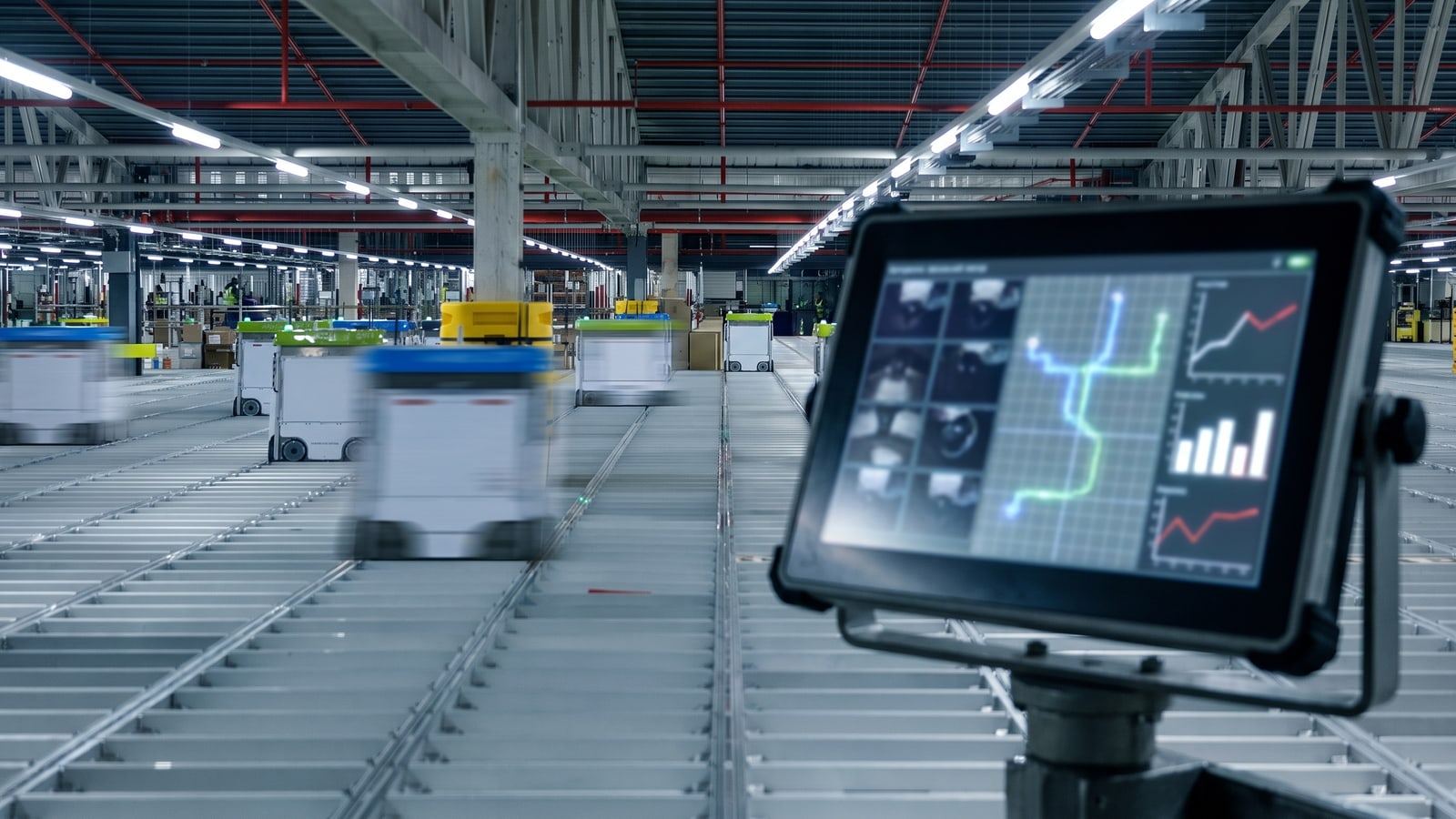
On 1 September a marketplace opened where the data used to train humanoid robots is listed, graded, priced and bought at checkout. One of the three categories it accepts is robot execution data: the record a working machine produces simply by doing its job.
That category is the reason this is worth your attention if you own robots rather than build them.
What actually opened
Kinetic Blocks, run by CEO Lars-Fredrik Forberg out of Oslo, launched a gated beta in which sellers list datasets with a task, a modality, a capture method, a region and a number of hours. Each one carries a quality grade and a commercial licence, and the seller sets the price. Accepted material is egocentric human video, teleoperation recordings and robot execution data, delivered in the open LeRobot format or the seller’s own, with chain-of-custody documentation attached.
Nothing about that is technically dramatic. What changed is procedural. Buying this data used to mean finding whoever held it, negotiating scope and price from nothing, then waiting out the lawyers, and it took months as a matter of course. The stated aim now is an afternoon.
A thing with a listed price, a grade and a licence behaves differently from a thing that is merely valuable. It becomes something you can put on a balance sheet, contract over and argue about.
Why robot data is expensive in the first place
Text and images were already lying around the internet before anyone thought to train on them. Robot manipulation data does not exist until somebody physically moves a robot.
That is why it is the bottleneck the field keeps naming, and why MIT Technology Review listed humanoid data among the things that matter most in AI right now. Commissioning it is genuinely costly: truelabel, which brokers this kind of capture, puts teleoperation on a specific target robot at roughly 50 to 200 dollars an hour, because the rigs are expensive and a trained operator only produces a few usable hours in a day. Full enterprise capture programmes run from tens of thousands of dollars into the millions.
Now compare that with a machine that is already in a real building, doing a real task, for a customer who is already paying for the work. The expensive part, putting a robot in a real place doing real things, has already been paid for by somebody else.
The second product only pays you if the paperwork says so
Here is the part almost nobody checks before signing.
A robot in service produces two things: the work, and the record of the work. Until now only the first had a price, so the second was handed over by default to whoever wrote the terms, which is usually the manufacturer or the platform operator. Broad rights to operating data are standard in robot purchase agreements and in Robots-as-a-Service contracts, and buyers signed them without much argument, because there was nothing on the other side of the trade.
There is now. Which means the data clause in a robot contract has quietly turned into a commercial term rather than a legal formality. If you are about to own a machine, or a share of one, the question to ask is not only what it earns per month. It is who owns what it records, who may license that on, and whether any of it comes back to the owner.
We wrote recently that robots get better after you buy them. The fuel for that improvement is exactly this data. It is a strange arrangement in which the asset you own generates the raw material that raises the value of somebody else’s model, and you are not a party to the transaction.
That is a fleet governance question before it is a technology question, and it is one of the things a pooled structure has to get right on the owner’s behalf rather than leave to a clause nobody read. It sits alongside utilisation and maintenance in what actually determines what a fleet is worth.
What is not proven
This is a gated beta with approved accounts on both sides, no published volumes and no disclosure of what execution data actually clears at. A second revenue line for fleet owners is a plausible direction, not a thing you can bank.
There is also a quality problem specific to working robots. A machine repeating one warehouse task for a year produces an enormous quantity of nearly identical data, and graded marketplaces exist precisely so buyers can discount that. Diversity is what commands a price, and a fleet spread across many tasks and many buildings has more of it than a single machine in a single aisle.
Which is a familiar conclusion in a new form. The value was never in the robot. It is in how many different kinds of hours it works.